Articles
Avoiding Feedback Doesn’t Avoid the Outcome, It Just Delays It
BY: Team Performance Institute | Date:
Avoiding feedback can feel like the “nice” move in the moment. You don’t want to hurt feelings, create tension, or deal with an awkward conversation. So you wait. You hope it fixes itself. You tell yourself, I’ll bring it up later when the timing is better.
But here’s the problem: Avoiding feedback doesn’t avoid the outcome…it just delays it.
The Outcome Still Arrives, It’s Just Messier
When feedback is delayed, the issue doesn’t disappear. It usually grows. Deadlines keep slipping. Standards keep sliding. Misunderstandings stack up. And over time, what could have been a simple course correction turns into a bigger, more emotional moment:
- A performance problem becomes a trust problem
- A small behavior becomes a pattern
- A missed expectation becomes resentment
Eventually, the outcome shows up anyway – through escalations, re-work, disengagement, turnover, or a “surprise” tough conversation that feels bigger than it needed to be.
Silence Is Feedback Too
When you don’t address something, the other person still receives a message, just not the one you intended. Most people interpret silence as one of these:
- This must be fine.
- Standards aren’t real here.
- Nobody will hold me accountable.
- My leader won’t be honest with me.
So, the behavior continues. Not because they’re careless, but because they’re being trained <quietly> by what you tolerate.
What You Avoid Today Becomes What You Manage Tomorrow
Leaders who avoid feedback don’t avoid conflict; they postpone it. And postponed feedback rarely stays small. It leaks out as frustration, passive comments, distance, or a sudden “big” conversation later that feels harsh because it’s overdue.
Feedback given early can sound like coaching:
“Hey, quick note, let’s tighten this up.”
Feedback given late often sounds like judgment:
“This has been a problem for a while.”
Same issue. Different timing. Completely different impact.
Feedback Is Not Punishment, It’s Direction
The healthiest way to view feedback is simple: it’s a gift of clarity. It tells someone what “good” looks like and how to meet the standard. Most people would rather hear a direct, respectful adjustment early than feel blindsided later.
You can deliver it kindly and clearly:
- “I want to share this so you can be successful…”
- “Here’s what I observed…”
- “Here’s what I need going forward…”
- “How can I support you?”
Avoiding feedback might buy short-term comfort, but it creates long-term cost. The outcome you’re trying to dodge still comes, you just lose the chance to shape it early, calmly, and constructively.
Because in leadership, what you don’t address doesn’t go away…It becomes the culture.
Team Performance Institute provides modern leadership and team development services designed to bring you to The Next Level. To learn more about our offerings, including our online courses, click HERE.
More Articles

Strategic Thinking Isn’t Just for Executives: Here’s How to Develop It
One of the most damaging myths in organizations is that strategic thinking is reserved for senior leadership. This belief keeps talented people stuck at tactical levels, waiting for someone to anoint them strategic enough to think about big-picture issues. Meanwhile, organizations desperate for strategic thinking at all levels settle for leaders who execute well but can’t see around corners … Continued
The Burnout Trap: Why High Performers Break (and How Leaders Can Prevent It)
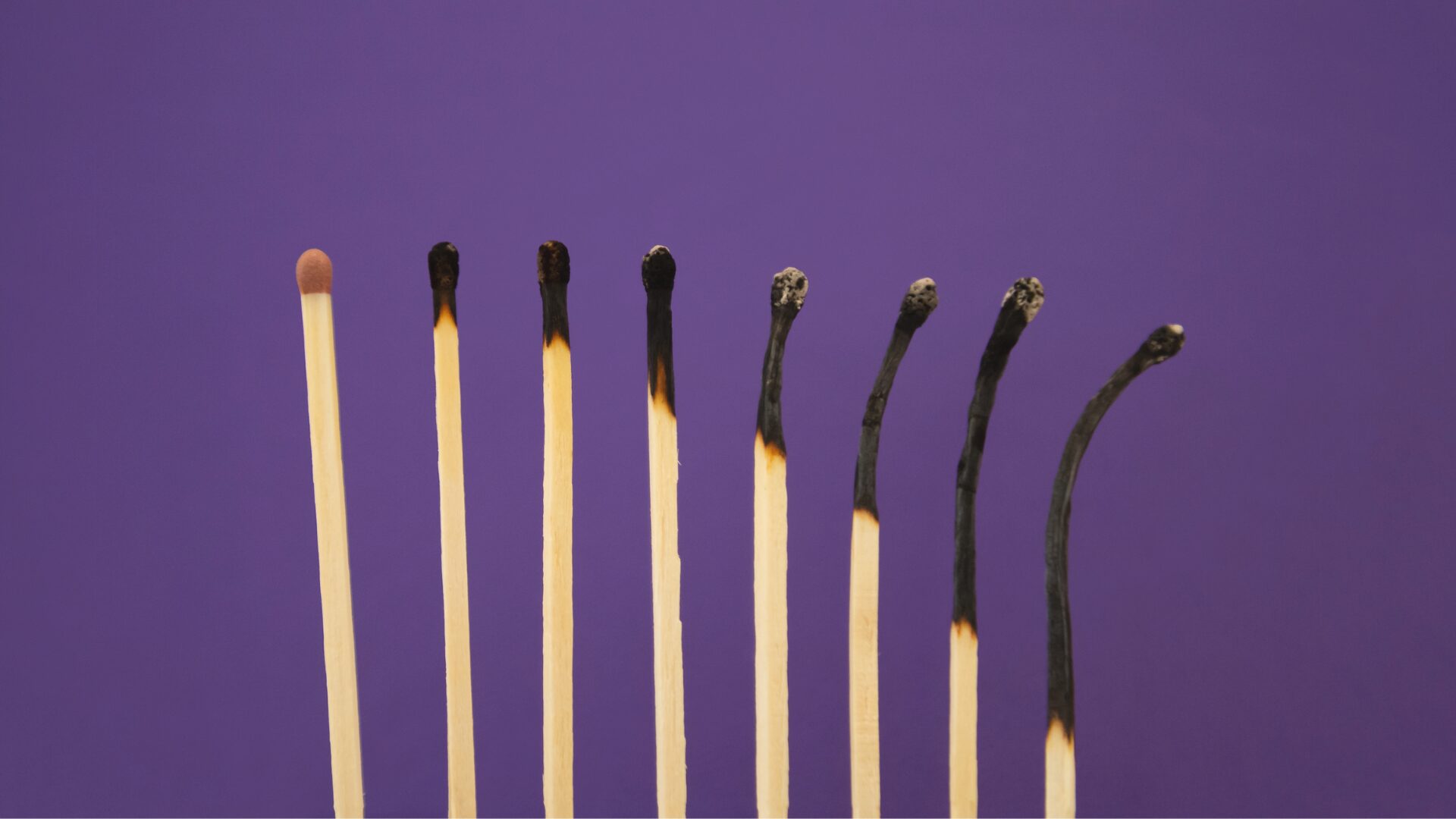
Burnout rarely happens because people “can’t handle pressure.” It usually happens because pressure becomes constant, unresolved, and the system keeps generating more friction than progress. High performers are especially vulnerable because they tend to: That’s admirable…but it’s also a trap. Burnout Isn’t Just Exhaustion – It’s Friction Without Payoff When people work hard but don’t see progress, their brain reads it as danger: “This won’t end.” That’s when motivation collapses, cynicism … Continued

Decision Fatigue Is the Hidden Performance Killer
If burnout is the slow fire, decision fatigue is the silent leak. Teams can look “busy and fine” while performance deteriorates because nobody can make clean decisions anymore. Decision fatigue happens when: The result is predictable: Decision Fatigue Makes Leaders Less Resilient Because it creates exactly what resilience can’t tolerate – uncertainty without closure. When … Continued