Articles
Executive Presence Isn’t Personality
BY: Team Performance Institute | Date:
Executive presence gets misunderstood as “the loudest voice” or “the most charismatic person in the room.” But real executive presence isn’t personality, it’s predictability under pressure – that steady reliability people feel when the stakes rise and the heat is turned up.
When pressure hits, most workplaces don’t actually need more flair, they need less volatility. Your team, peers, and leaders are constantly scanning for signals: Is this person stable? Will they overreact? Will they get defensive? Can they hold the room? Executive presence is the answer to those questions, and it shows up in your patterns.
Why Predictability Reads as Leadership
In high-stress moments (tight timelines, conflict, a missed number, a tough client) people instinctively look for an anchor. Predictable leaders become that anchor because they’re consistent in three ways:
- Consistent Emotion: They don’t swing from calm to cutting, friendly to frustrated, confident to anxious. Their tone stays steady.
- Consistent Thinking: They don’t spiral, blame, or catastrophize. They quickly separate facts from assumptions and move toward options.
- Consistent Behavior: They don’t disappear, delay, or create confusion. They clarify the decision, the next step, and the owner.
That consistency builds trust faster than any “commanding presence” ever will.
The Real Test: Who are you on a hard day?
Most people have no problem being poised when things are easy. Executive presence is who you are when:
- you’re challenged publicly,
- you don’t have the answer yet,
- someone disagrees with you strongly,
- the meeting goes sideways,
- your work is criticized,
- the stakes are high and the clock is running.
In those moments, your presence becomes a forecast. If you’re predictable in the right ways, people relax. If you’re unpredictable (i.e. snappy, defensive, scattered, or vague) people brace themselves.
What Predictable Leaders Do Differently
Here are the small, visible behaviors that create “predictability under pressure”:
- They slow down on purpose.
They reduce speed, not urgency. A measured pace communicates control, even when the topic is tense. - They choose clarity over intensity.
They don’t win by force. They win by structuring the conversation: “Here’s what we know, here’s what we don’t, and here’s what we’re deciding.” - They respond instead of react.
They don’t match someone’s heat. They hold their tone, ask a clean question, and keep the room from tipping into chaos. - They make it safe to tell the truth.
Because they don’t punish bad news, people bring reality faster – which makes outcomes better. - They close loops.
In pressure, “maybe” and “we’ll see” create anxiety. Predictable leaders end with: owner, deadline, next checkpoint.
The Myth: “That’s just not my personality”
This is the best news: executive presence is learnable because it’s behavioral. You don’t need to become someone else. You need to become more consistent as yourself. The world needs more YOU!
A quiet leader can have enormous executive presence. A warm leader can still be firm. An introvert can command a room.
Build it Like a System
If you want to strengthen executive presence quickly, don’t aim for “more confident.” Aim for more predictable. Try these three micro-practices:
- The Pause + Plan (3 seconds): Before responding to pressure, pause, breathe, and choose your first sentence.
- The Frame (1 minute): “Here’s what matters most. Here are the options. Here’s my recommendation.”
- The Close (30 seconds): “Decision, owner, deadline, next update.”
The Takeaway
Executive presence isn’t about being impressive, it’s about being dependable, especially when things aren’t going well. When people know what they’ll get from you under pressure: calm, clarity, & ownership – they experience you as a strong leader.
And that’s what executive presence really is.
Team Performance Institute provides modern leadership and team development services designed to bring you to The Next Level. To learn more about our offerings, including our online courses, click HERE.
More Articles

Strategic Thinking Isn’t Just for Executives: Here’s How to Develop It
One of the most damaging myths in organizations is that strategic thinking is reserved for senior leadership. This belief keeps talented people stuck at tactical levels, waiting for someone to anoint them strategic enough to think about big-picture issues. Meanwhile, organizations desperate for strategic thinking at all levels settle for leaders who execute well but can’t see around corners … Continued
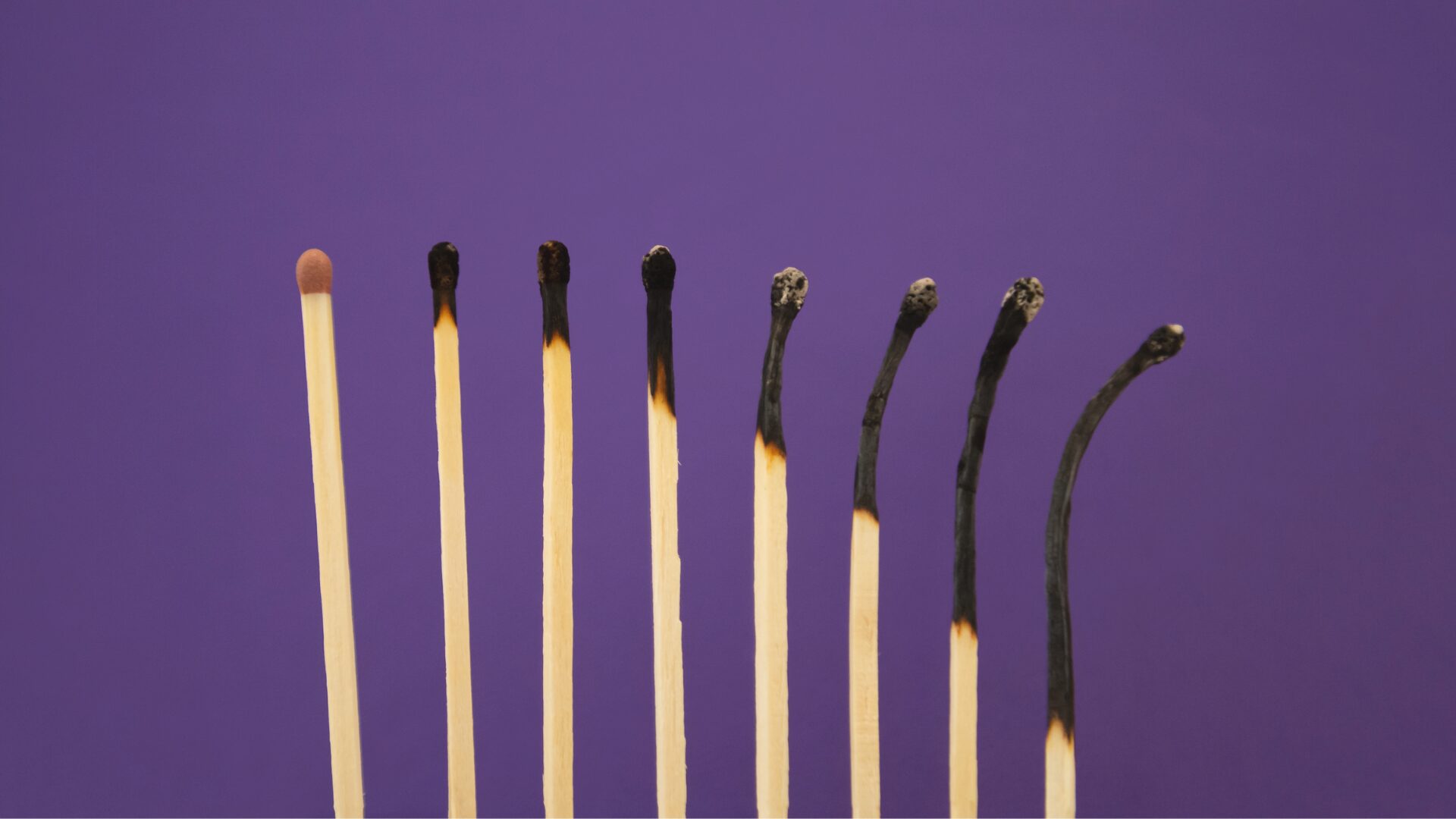
The Burnout Trap: Why High Performers Break (and How Leaders Can Prevent It)
Burnout rarely happens because people “can’t handle pressure.” It usually happens because pressure becomes constant, unresolved, and the system keeps generating more friction than progress. High performers are especially vulnerable because they tend to: That’s admirable…but it’s also a trap. Burnout Isn’t Just Exhaustion – It’s Friction Without Payoff When people work hard but don’t see progress, their brain reads it as danger: “This won’t end.” That’s when motivation collapses, cynicism … Continued

Decision Fatigue Is the Hidden Performance Killer
If burnout is the slow fire, decision fatigue is the silent leak. Teams can look “busy and fine” while performance deteriorates because nobody can make clean decisions anymore. Decision fatigue happens when: The result is predictable: Decision Fatigue Makes Leaders Less Resilient Because it creates exactly what resilience can’t tolerate – uncertainty without closure. When … Continued